
We love working with young adults. We have been blessed to be a part of discipling 15 students over the past two years of Rooted’s existence. Rooted is a gap-year ministry, based at Tuscarora Inn, Mount Bethel, Pennsylvania.
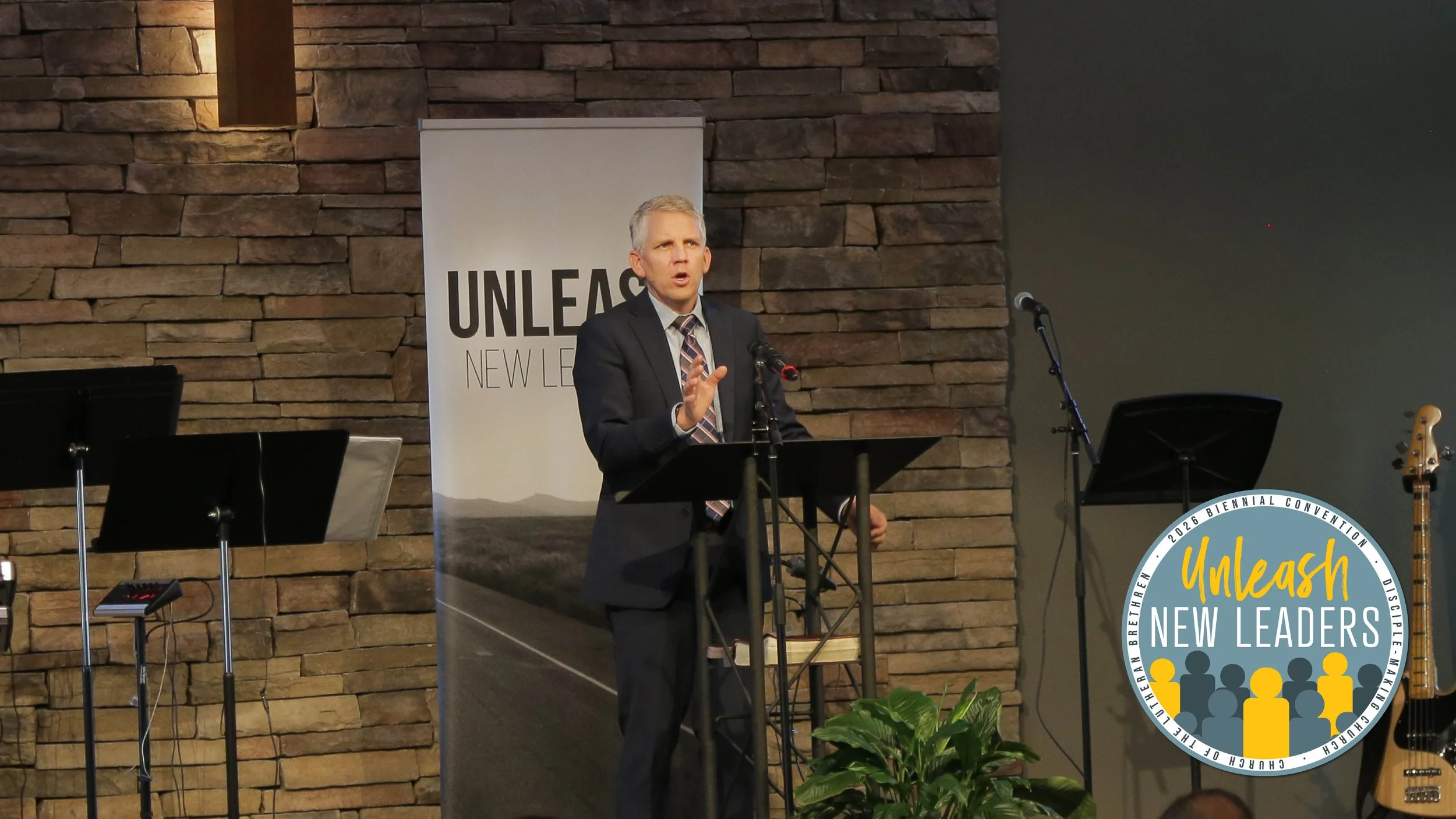
Too often, as the Church, we can hold young leaders in the wings, never letting them step on stage. Instead, our Church needs to joyfully unleash new leaders. But it is also true that we can unleash people before it is healthy to do so… We would be wise to consider how we can tell if someone is ready for it.
When we talk about unleashing new leaders, the danger is to think that we simply need to find young energetic people and let them loose. When we notice and reward people’s competency by unleashing them into positions of leadership before their character has had a chance to catch up, it allows them to get in trouble, to get hurt, and many other people to get hurt, as well. “Unleashing” does not suggest a lack of discipleship, but rather it demands discipleship.
So the question is, how can you tell if someone is ready? Let’s look at Joshua. Joshua has been leading the army of Israel, and as we leave the book of Deuteronomy, he is being asked to lead the entire nation. Is he ready? In the first few verses of the book of Joshua, two words reveal a posture that God is still encouraging. “Have I not commanded you? Be strong and courageous. Do not be afraid; do not be discouraged, for the Lord your God will be with you wherever you go” (Josh. 1:9).
Joshua was already a mighty warrior, but throughout this chapter God repeatedly commands Joshua to be strong and courageous. I see him in my mind’s eye with a timid posture. He seems intimidated by the awesome task before him. Not just leading the army to take possession of the land of giants, but also dealing with the rabble that Moses had to deal with. What was God’s promise to Joshua? “I will be with you.” It is the promise of God’s presence. Unleashed leaders need the confidence to stand strong and courageous as we wear the armor of God, in the presence of God, doing the will of God, through the wisdom and power of God.
In Mark 3, we find a list of Jesus’ disciples including the brothers James and John, nicknamed by Jesus “Sons of Thunder.” The nickname implies temper and rage. We witness those negative characteristics in Luke 9:52-54. “Jesus sent messengers on ahead, who went into a Samaritan village to get things ready for him; but the people there did not welcome him, because he was heading for Jerusalem. When the disciples James and John saw this, they asked, ‘Lord, do you want us to call fire down from heaven to destroy them?’”
This is at least Jesus’ second journey through Samaria. The first one went great, as described in John 4, but now the Samaritans are playing the possessive game, saying, “If we can’t have you all to ourselves, then we don’t want you at all.” James and John react by asking, “Lord, do you want us to call fire down from heaven?” That escalated quickly!
Earlier in this same chapter, Jesus gave his disciples clear instructions on how to respond to rejection: shake the dust off their feet and leave that town. Somehow James and John decide to rain down fire. Are they ready to be unleashed?
In Mark 10, these same brothers approach Jesus with a request. “Let one of us sit at your right and the other at your left in your glory.” How is the posture of James and John different from Joshua? Whereas one is timidly looking down, these two are looking up in arrogance.
Listen to what the Lord’s actual response was in Mark 10:42-45. “Jesus called them together and said, ‘You know that those who are regarded as rulers of the Gentiles lord it over them, and their high officials exercise authority over them. Not so with you. Instead, whoever wants to become great among you must be your servant, and whoever wants to be first must be slave of all. For even the Son of Man did not come to be served, but to serve, and to give his life as a ransom for many.”
James and John needed to learn the posture of a servant. Not just any servant: A kingdom-minded servant called to both humility and loving kindness. They wanted to be great. However, being great in the kingdom of God takes humility. That’s not thinking less about yourself, but rather thinking about yourself less often, and thinking more about others and their needs. They also needed love. Isn’t it interesting that Jesus gives a new command on the night before he dies? And it is not to be strong and courageous! Rather, it is to love one another. Not just love, but a specific kind of love.
In the New Testament, we know it is agape, and in the Old Testament, we know it as chesed, a word that combines love with kindness. We tend to love family and not strangers. We also tend to be kind to strangers and not family. We need both. The posture of those ready to be unleashed is one of humility and chesed.
Joshua needed strength and courage, but James and John needed love and humility. And that leads us to an important side question: What is the posture of a disciple maker? First of all, it is one of “looking.” It is easy to disregard the Timothys of this world because they don’t have enough thunder. It is also easy to give up on James and John because they have too much thunder. We can’t fall for the mirage that James and John were actually strong and courageous. Their actions after the Last Supper reveal that they really weren’t. Self-generated strength and courage will inevitably revert to weakness in the face of something bigger. But God-given strength and courage is limitless because the God who gives it is limitless.
Finally, disciple makers need to know that we are not looking for finished products, but raw material that needs to be shaped, and the shaping doesn’t happen quickly. We need the same posture that Jesus had in John 13 when he knelt down to wash his disciples’ feet―a posture of serving those who will be unleashed so they will go on to serve with humility, love, courage, and strength.
It is all about posture. That is what we are looking for when unleashing new leaders. Not gender―we need both men and women to be discipled and unleashed to lead. Not ethnicity, not the social/economic status, or academic aptitude; we are looking for the right posture in those to be unleashed, and it all starts and continues with disciples who have learned to walk with their heads held high. Not with their noses up looking down at everyone else, because the Law speaks truth to us that we have no boasts to make; but they also don’t need to hang their heads low because the Gospel declares that we are forgiven and we are a new creation. We are invited, then, to walk with our heads held high in Christ-centered confidence, along with humility, with love, and with courage.
Rev. Roger Viksnes is the Director of Rooted, a gap-year program in Mount Bethel, PA.